Nimble Blog

Culinary Mindfulness – Free Workshop

  • Facebook
  • Twitter
  • LinkedIn
  • email

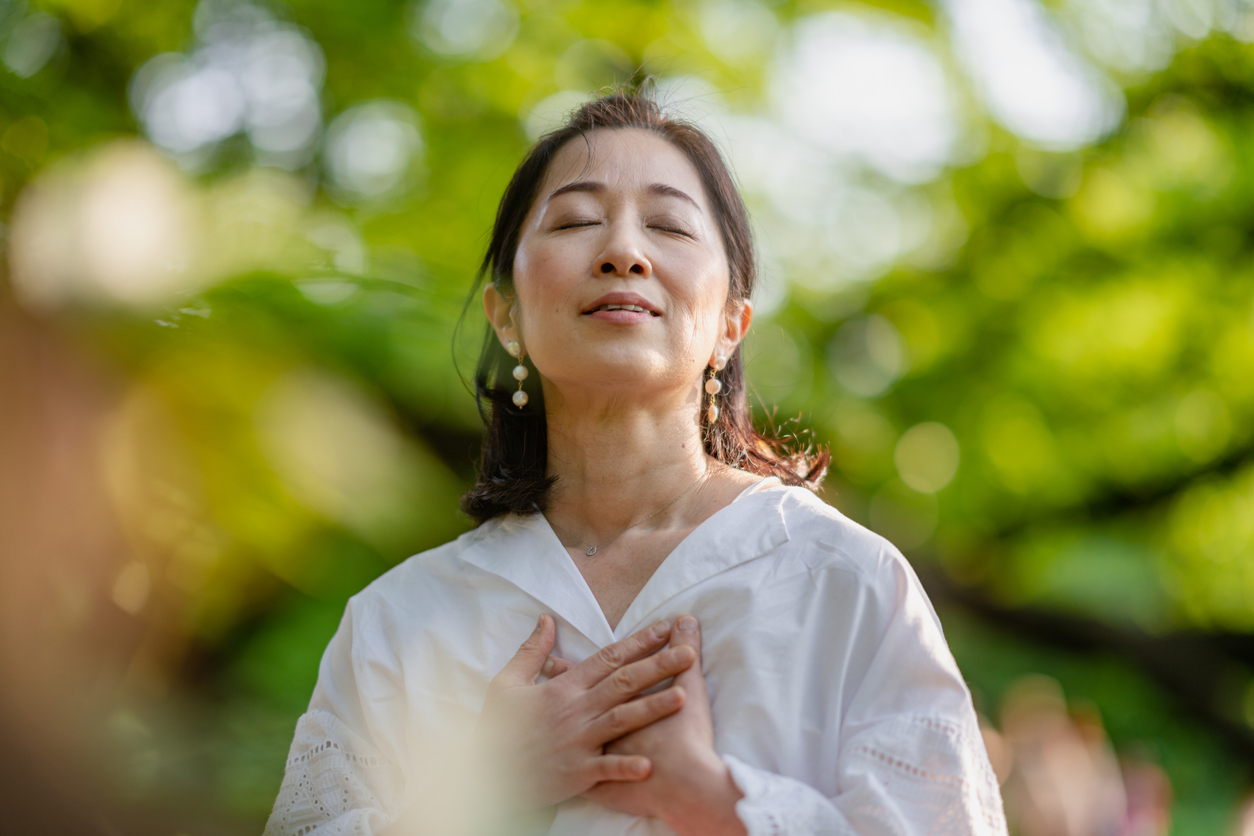
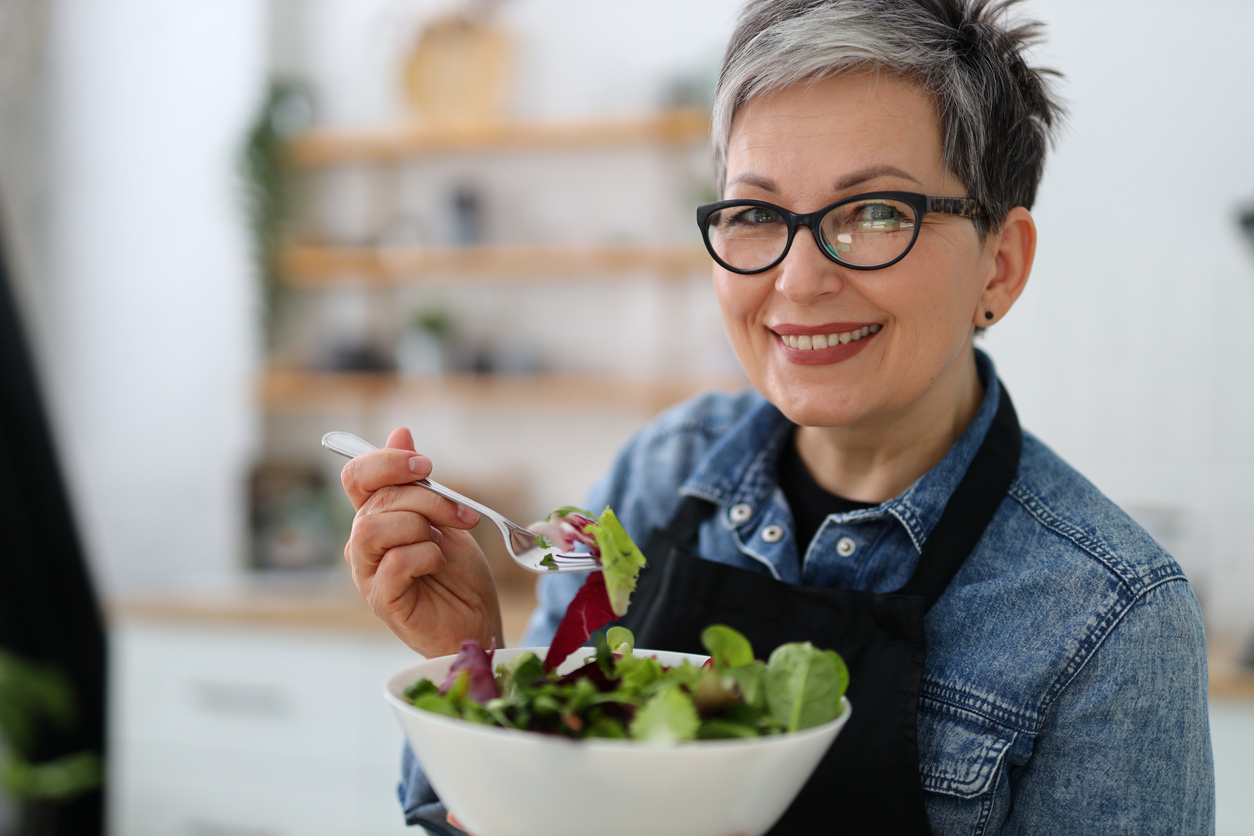
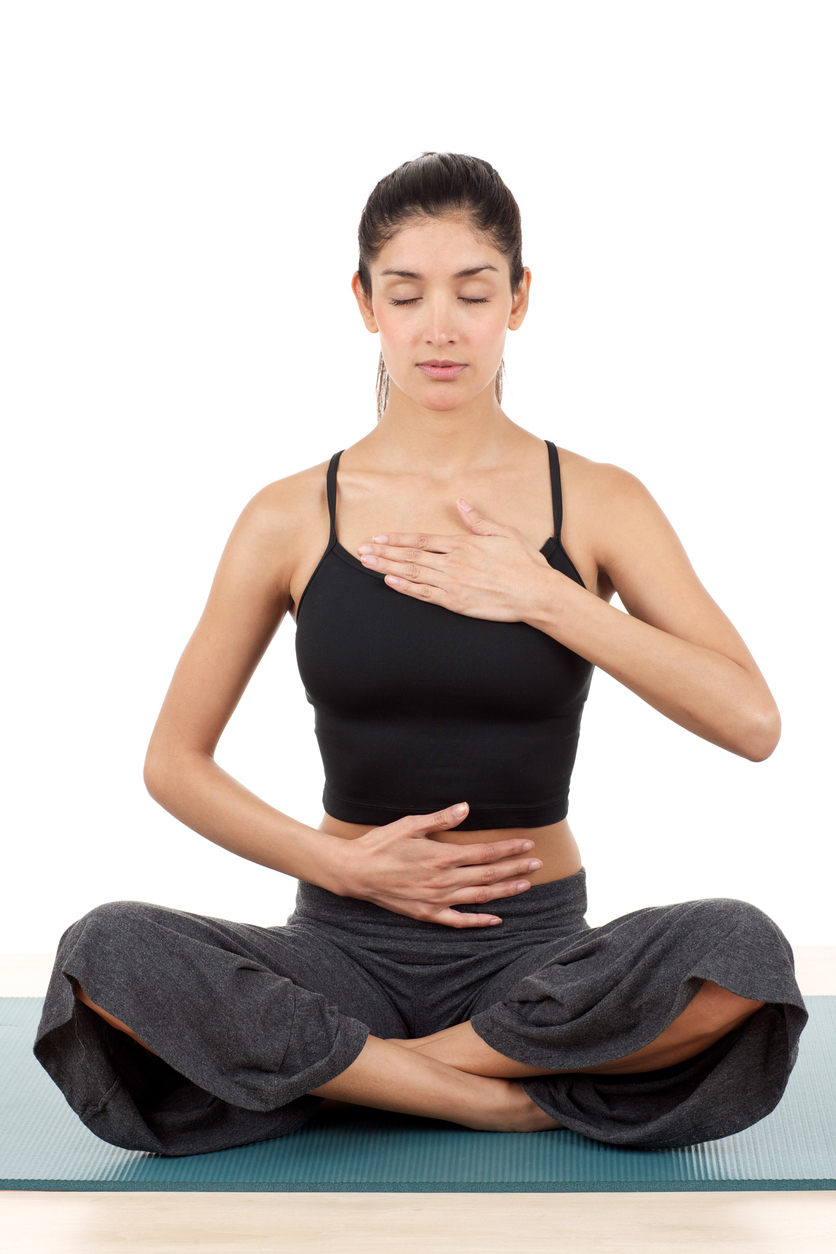
Join us on June 15th for a great workshop about “culinary mindfulness.” Taught by nationally acclaimed psychologist (and Nimble client) Todd Essig, attendees at this free workshop will come away with new strategies for making healthy, fun food choices.

Everybody wants to flourish and thrive. And food can be an opportunity for a better life. Unfortunately, too often we’re told food is an obstacle, a problem to be solved rather than an opportunity. We’re sold diet plans and nutritional fads, “calorie delivery systems” masquerading as food. But by learning and using skills of culinary mindfulness you can turn our food choices back into an opportunity for a healthier, happier life.

Attendees will learn simple strategies for making food choices more gratifying, fun, intimate, and meaningful. Plus, you’ll have a great time. We offered the workshop last year. It was a blast. The workshop is free but reservations are a must since space is limited. So, if you want to attend, please let us know.

Date: June 15, 2013 (1:00pm – 2:30pm) / RSVP here

Location:
Nimble Fitness
42 E 12th Street
Between Broadway & University
New York, NY 10003
212 633-9030 / info@nimblefitness.com


About the speaker:
Dr. Todd Essig is a Training and Supervising Psychoanalyst at the William Alanson White Institute and Clinical Assistant Professor of Psychiatry at New Medical College. He writes “Managing Mental Wealth” for Forbes while maintaining a private practice in psychotherapy and psychoanalysis just down the road from Nimble.

  • Facebook
  • Twitter
  • LinkedIn
  • email

How To Lengthen Your Arm Line With A Reverse Plank.

May 14, 2013 by  
Filed under Get In Shape, Nimble Blog, Videos

  • Facebook
  • Twitter
  • LinkedIn
  • email

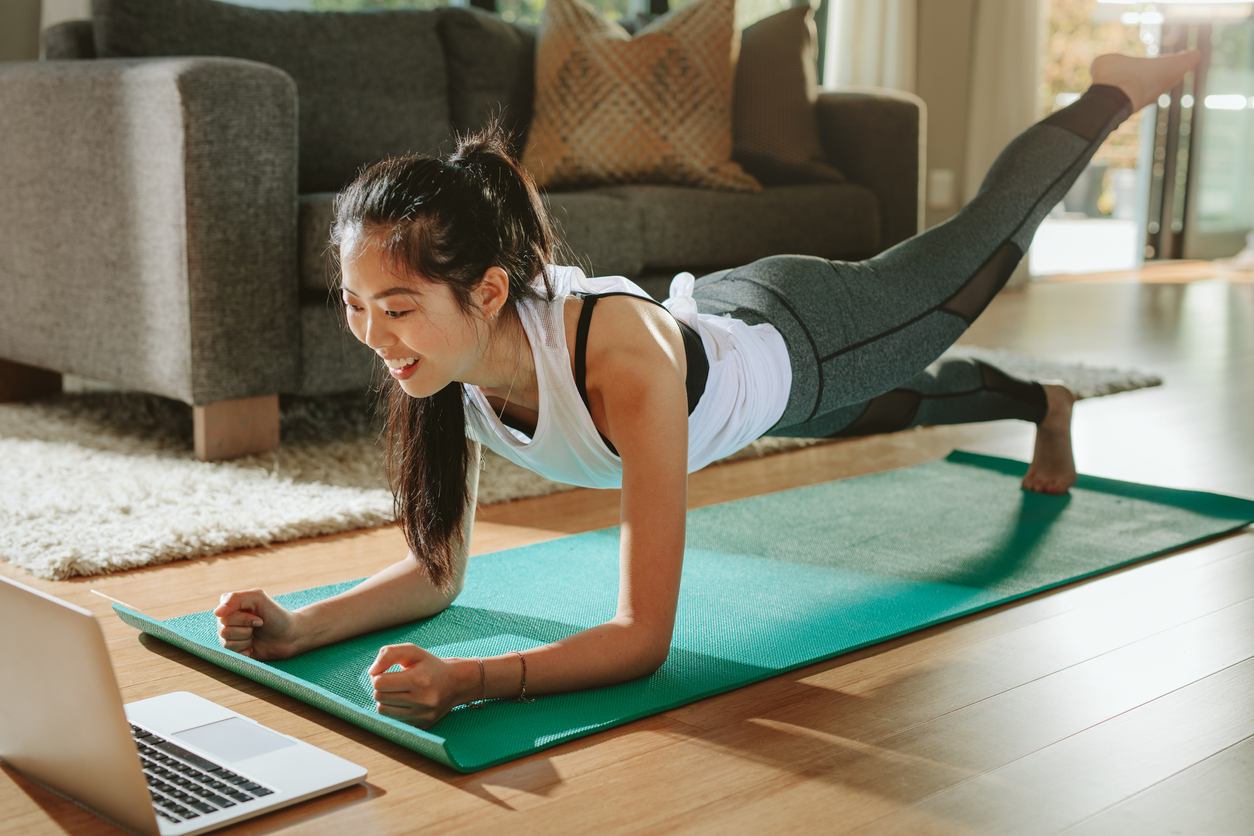
This video by Nimble’s Kristin Porter demonstrates a great stretch to lengthen the front arm lines and increase range of motion in the shoulders. You’ll begin with one leg bent and work your way up to a full Reverse Plank. Take notice of the hand placement (fingers pointing towards feet) and how the shoulders are maintained down the back. The chin should also be slightly tucked to reach your full stretch potential.


  • Facebook
  • Twitter
  • LinkedIn
  • email

Hydration

  • Facebook
  • Twitter
  • LinkedIn
  • email

“Water is a critical element of the body, and keeping the body adequately hydrated is a must to allow the body to function.” – Melissa Stöppler, MD, on MedecineNet

As most of us know from junior-high school biology, our bodies are made up of mostly water. So, knowing how much water we need to drink to stay properly hydrated can seem confusing. If we have so much water in our bodies, then why do we have to keep replenishing it?

The answer, in part, lies in the fact that our bodies use water on a cellular level. That means that every ounce of tissue, every muscle, every organ—basically almost everything in us—is composed on the most basic level by water. As our bodies are always changing and evolving (or the opposite), our hydration levels can vary greatly.  Here are some of the key ways we are constantly losing water :

• Breath! Humidified air leaves your body every time you exhale.

• Sweat—especially when you exercise.

• Eliminating waste.

So, if we’re losing water all the time from basic body functions, common sense tells us we have to constantly replenish. Here are some basic daily water requirement levels. Since most adults weigh between 100 and 250 pounds, these standards from MedecineNet should give you a good general idea on how much water to drink daily:

• If you weigh 100 pounds – 50 ounces minimum, a quart and a half a day

• If you weigh 150 pounds – 65 ounces minimum,  2 quarts daily

• If you weigh 200 pounds – 70 ounces minimum, over half a gallon a day

• If you weigh 250 pounds – 75+ ounces minimum

And so on. Keep in mind these are minimum daily requirements. And if you add in other factors like exercise, sickness, dehydration from diuretics such as coffee and tea, we all definitely have some hydrating to do. On more factor: winter air is dryer air, so it probably makes sense to kick up your hydration this winter. If you have additional questions, email us at info@nimblefitness.com, or find us on Facebook.

  • Facebook
  • Twitter
  • LinkedIn
  • email

Intro to MELT Workshop @ Nimble Fitness

January 17, 2013 by  
Filed under News & Community, Nimble Blog

  • Facebook
  • Twitter
  • LinkedIn
  • email

What is MELT?

The MELT Method® is a breakthrough self- treatment system that restores the supportiveness of the body’s connective tissue to eliminate chronic pain, improve performance, and decrease the accumulated stress caused by repetitive postures and movements of everyday living. This patent- pending, pro-active self-treatment technique is backed by science and acclaimed by thousands of devoted MELTers.

New research has revealed the missing link to pain-free living: a balanced nervous system and healthy connective tissue. These two components work together to provide whole- body support, protection, and mind-body communication. Manual therapist Sue Hitzmann has transformed groundbreaking neurofascial science and hands-on therapies into a one-of- a-kind treatment method called MELT.

What benefits does MELT offer?

MELT creates a strong, flexible body that maintains its upright posture for life. And you will see and feel results after just one session!

MELT improves:

· flexibility & mobility
· posture
· the results of exercise
· range of motion
· sleep & digestion
· overall well-being

.

Sunday, February 17, 2013 … 11:00am- 12:30pm

Cost: $35 (First 10 people to register receive a free gift.)

contact-us-button

  • Facebook
  • Twitter
  • LinkedIn
  • email

GREAT TRX-press class with Suzie on Monday January 21, 2013

January 17, 2013 by  
Filed under News & Community, Nimble Blog

  • Facebook
  • Twitter
  • LinkedIn
  • email

If you missed it, we had a full house for our new Monday afternoon TRX-Press class.  Don’t fret!  Suzie will be teaching again this coming Monday (and every Monday thereafter).  Get your friends and co-workers to join you.  This is a 35 minutes total body workout that’s fun and full of energy.  We know you are going to love it!   – Mondays at 12:30pm -


.
.
.

REGISTER HERE or CONTACT US

  • Facebook
  • Twitter
  • LinkedIn
  • email

Leg Strength / Part II

January 16, 2013 by  
Filed under Get In Shape, Nimble Blog

  • Facebook
  • Twitter
  • LinkedIn
  • email

By Daniel Lucas

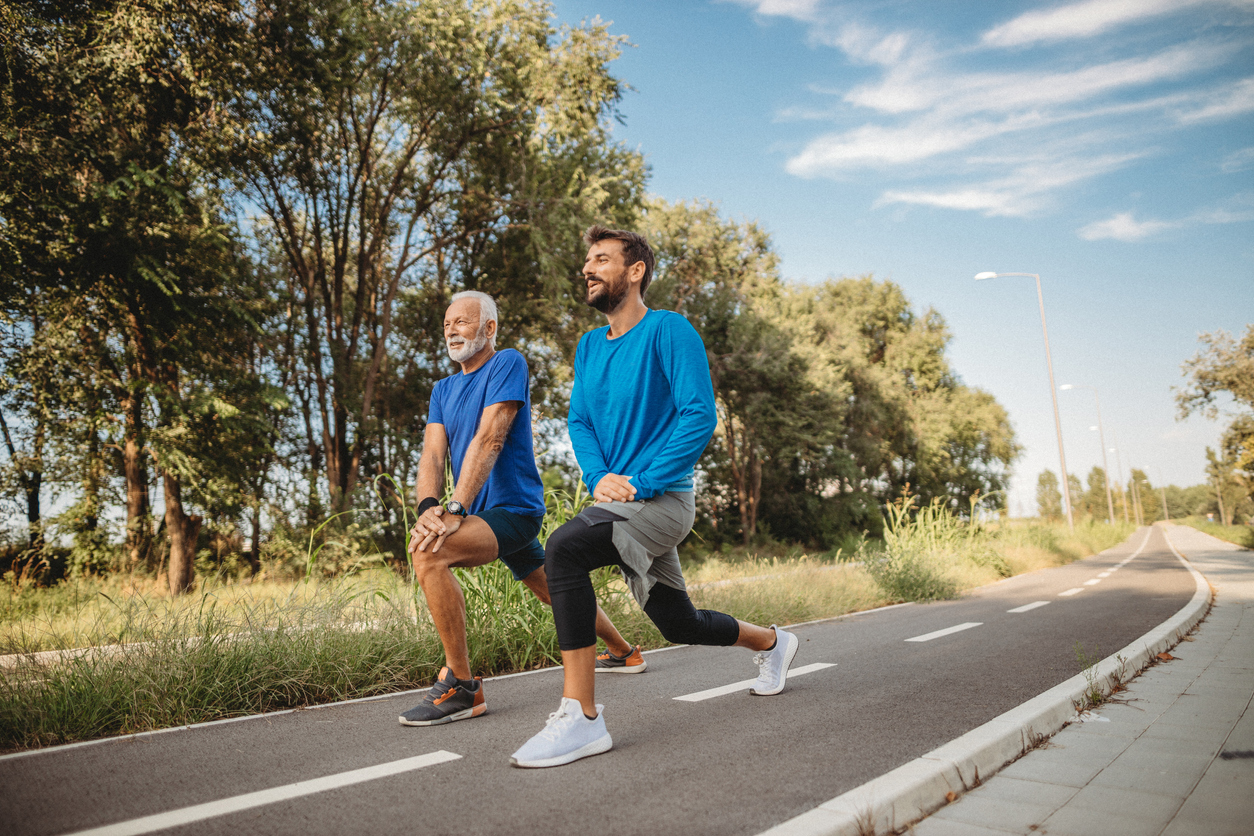
Last month we gave you three exercises to help strengthen your legs. This month we’ll progress from those exercises into three new movements to specifically help you prepare your legs for the challenges of winter sports—such as skiing, snowboarding or climbing. These exercises move through a different plane of motion than last month’s. Changing the plane, speed and load of your leg exercises will help you make your legs truly strong and ready to handle all the different challenges of moving on snow and ice. Here are this month’s exercises:

Exercise #1.  The Clam
Exercise #2.  Plié lunge
Exercise #3.  Lateral lunge

The video below demonstrates the exercises in Part II of my leg strength series. Perform 2-3 sets for 15-20 repetitions. You can hold a kettlebell, dumbbell or medicine ball to increase the load. If the load you’ve added is challenging, you can drop the number of repetitions. Remember, this is not meant to be a full workout, but rather a series within a workout. That being said, if you only have time for these exercises today, then take it!

Proper form is important, so work on becoming aware of where your body is in space, and how you can improve. These exercises can also reveal your current level of strength. Also, assess the difference between your left leg and right leg. Pay extra attention to your body if you see a noticeable weakness on one side.

  • Facebook
  • Twitter
  • LinkedIn
  • email

Change…

  • Facebook
  • Twitter
  • LinkedIn
  • email

by Antonio Sini

It can only happen if you ask yourself the honest questions. What do I mean by that? Well, as a fitness professional working with people on their personal health, one of my challenges is to help each client find out what they really want to achieve, and then implement effective ways to bring out the changes they desire. Creating a safe and effective exercise program is actually relatively “easy.” The harder part is actually identifying everyone’s underlying motives for positive change. If those motives are not uncovered, then the exercise program is often ineffective. This leads to frustration, temporary failure, and often a regression back to poor health habits.

What if we all took a look at what we value at the start of an exercise program, rather than simply looking at what specific exercises you want to do. Discovering the value that you place on your health, and how your entire being will benefit, has a far more lasting impact than just going through the motions of exercise.

Here is an example of what I mean: Let’s say you’ve just purchased a gym membership. How would you take advantage of it? Some typical answers are: “I would start exercising with a trainer”; “I’d take classes to get in shape” and so on. However, what would your answer be if we turn that question around: How does it feel to have a gym membership and exercise regularly? The answers here would be very different: “Happy”; “Less stressed after I work out”; “I feel so much more energetic.”

The first answer tells me what actions you would take with the gym membership. The second reveals more of what you value in your life – a stress free environment, happiness, feeling less fatigued. So in finding out what you value, your actions which follow have a far more significant impact on the changes that you wish to make. That’s really how you really stay motivated to succeed and how you truly change.

  • Facebook
  • Twitter
  • LinkedIn
  • email

Next Page »