
by Nimble client, Anne Pelletier …
Energy drinks promise many things – sustained energy, no calories and no “crash” when they wear off –but are they safe? And are these claims true?
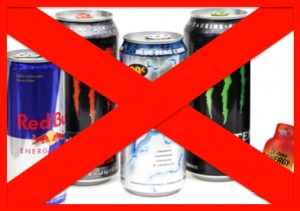 Energy drinks get their “oomph” from caffeine. That’s right, even those that don’t list caffeine on the ingredients label! Some energy drinks contain guarana, a plant that contains caffeine. Once, researchers thought the active ingredient in guarana was specific to the plant – guaranine, but later it was discovered that it was just caffeine. One guarana plant contains up to 5.8% caffeine by weight, while a coffee plant has only 2.8%.
A 2 oz serving of 5Hour Energy contains 207 mg of caffeine, as opposed to 100 mg in a 16 oz cup of MacDonald’s brewed coffee. That might not seem like a big difference, but the energy drink is sixteen times as strong as the coffee! Some users of energy drinks report symptoms of caffeine overdosing, which include racing heartbeat, palpitations, nausea and vomiting, dizziness and fainting. That doesn’t sound very energetic!
Another ingredient in energy drinks is taurine, an amino acid. Nearly everyone other than infants who cannot be breastfed receives enough taurine through normal nutrition. However, some believe there can be benefits to adding taurine supplements to the diet. Nevertheless, taurine has diuretic properties and should not be used when exercising due to the risk of dehydration. This risk is compounded with the addition of caffeine, another diuretic.
 As to the “no crash” claim, the makers of 5Hour Energy say that refers to “no sugar crash,” because the product contains no sugar. Sound good? Not really, because the sweet taste comes from artificial sweeteners. And some users report a crash when the drink wears off. This can be attributed to the body’s response to coming down from a high created by large doses of caffeine, as heart rate blood pressure drop to normal levels. Taurine may be another culprit here, as it is believed to have a slight sedative effect.
Generally recognized medical guidelines recommend that no one under the age of 18 consume energy drinks in the wake of a few highly-publicized incidents involving children having adverse effects after consuming them. Both Canada and Mexico are considering legislation that would prohibit the sale of these drinks to minors and require warning labels to that effect. In the United States, energy drink manufacturers have largely avoided the issue by categorizing the drinks as “dietary supplements” as opposed to food so they are not subject to FDA regulation. In fact, they are not even required to list ingredients on their labels.
Some consumers wonder what else is in these drinks and, without FDA oversight, how is quality monitored? Is the bottle or can I drink tomorrow going to contain the same amount of caffeine and taurine as the one I drank last week? What if they were manufactured at different plants? Is the industry supposed to police itself?
These are some of the questions that arise about energy drinks. If you stop to consider the pros and cons before using them, you will have done your body a big favor. It may be easier (and healthier) to find another way to boost your energy – try going for a brisk 20 minute walk, then see if you still need that bottle or can.