Nimble Blog

Leg Strength Part III

February 9, 2013 by  
Filed under Daniel Lucas, Nimble Blog, Nimble Team, Videos

  • Facebook
  • Twitter
  • LinkedIn
  • email

by Daniel Lucas

Welcome to the third installment of our Nimble leg exercise series!  We’re now going to progress to a few power movements. These moves are important, because as we age, our physical power is one of the first things to decrease. If we don’t train consistently, we gradually lose our ability to move quickly and change directions while under load. Remember, power exercises should be progressed into after you have gone through a conditioning and strength phase of training.

These three exercises are meant to be part of a full workout, but if this is all the time you have, take it!  The video below demonstrates these three exercises:

*multi-planer mini jumps / 10 jumps for each direction.
*Lateral to 90 degree squat jumps. (6-8 reps)
*lunge jump (8 reps per leg)

When training for power, it’s best to keep your repetitions low and your reactive energy high. If you find yourself fatigued and unable to react quickly to your next repetition, then it’s time to rest. I usually suggest around 6-8 repetitions, but more can be performed if you have that reactive energy and timing. Depending on your conditioning and the stress of the exercise you’ll probably need up to 1-3 minutes of rest between sets. Train smart and always listen to your body! It does not lie.

Cheers,
Daniel

  • Facebook
  • Twitter
  • LinkedIn
  • email

Soul Activation

December 18, 2012 by  
Filed under Daniel Lucas, Nimble Blog, Nimble Team

  • Facebook
  • Twitter
  • LinkedIn
  • email

By Daniel Lucas

I feel like a large percentage of our society thinks about exercise all wrong. The most talked about benefits are well known, but the one that I feel is the most interesting and inspiring of all is rarely mentioned–Soul Activation! Every time we move, there is the potential for healing, for strengthening and for shifting our potential. The way we experience our life through our body and brain is far greater than we may currently understand. A person who moves in a specific way that affects their individual arrangement of tissue, bones and organs can experience something more than just physical–what I call a soul activation. A yogi might describe this experience as true presence or bliss.

Our neuro-fascial tissue can be seen as one large, fluid LCD system, constantly giving and receiving information. When a new alignment or energetic use of our tissue occurs, it can create a sense of space within ourselves. This new space allows us to tap into our souls on a much deeper level. The results can be profound: elevated consciousness, deeper intuition and a sense of peace. Can you imagine a stronger reason for making movement/exercise a part of your life? It is extremely important! Longevity, strength, personal power, connecting on a more intimate level with your soul—all of these can become available to you through moving your body. Change your perception and everything changes!

Namaste,
Daniel

  • Facebook
  • Twitter
  • LinkedIn
  • email

Flying Pigs Farm at Union Square Farmers Market

  • Facebook
  • Twitter
  • LinkedIn
  • email

At Nimble Fitness, we often talk about knowing your food and eating locally farmed meat and produce. The other day, I decided to shoot a short video interview with Mike, the owner of one of my favorite farms, Flying Pigs Farm. Here are some of the important points we talk about in the video:

*Where is the meat I’m eating coming from?
*How are the animals treated?
*Are they fed properly?
*Are drugs or steroids used with the animals?

Next time you are in the Union Square farmers market, check out Flying Pig’s farmstand. Also, take the opportunity to ask questions, from Mike and the other local farmers.  It makes food shopping more social and personal at the same time.

The food we eat is broken down to nurture every cell in our body–I feel it deserves all the commitment, appreciation and respect we can cultivate towards it!

To your health,
Daniel

  • Facebook
  • Twitter
  • LinkedIn
  • email

An Obesity Crisis

  • Facebook
  • Twitter
  • LinkedIn
  • email

Statistics came out a couple weeks ago stating that obesity in America was going to reach 40 percent by the year 2030. That means that almost HALF of Americans will be obese!  To say that this statistic is alarming is a huge understatement. On a very basic level, this means that Americans are addicted to processed foods and sugar.  The side effects of consuming processed foods and sugar make a long list. Inflammation leads the way, followed by deformed arteries, increased body fat, heart disease and diabetes.  This is all preventable! WE NEED TO MOVE AND EAT WELL and it starts with you!

This is a personal mission for all of us. To live a healthy and joyful life is absolutely within your grasp, and the energy your create will inspire others. For instance, a simple meal gathered from your local farmers market is fun, great tasting and a way to get excited about locally produced food. Shifting your eating habits does take commitment, attention and dedication, but anyone can do it.  BE THAT PERSON!  We’re in an obesity crisis right now, and American society needs all the strong, healthy and happy people it can get. Watch how being that person changes you and everyone around you.

Namaste,
Daniel

  • Facebook
  • Twitter
  • LinkedIn
  • email

Celebrate the little wins!

June 22, 2012 by  
Filed under Daniel Lucas, Nimble Blog, Nimble Team

  • Facebook
  • Twitter
  • LinkedIn
  • email

by Daniel Lucas

Are you a person that’s always focused on what did not get done, or which things are not good enough? It’s easy to forget to celebrate the victories that come with daily challenges as well. For instance, when you’re re-committing to a health and fitness program, you’re saying “I’m ready to change.” You are saying to yourself: “It’s important to take care of my body, mind and spirit.” Celebrate that!

Celebrating the NYC Marathon

At the beginning of any journey, it’s the little wins that will propel you on the path to success. So you just finished your goal for water consumption today? Great! That’s a big deal and should be celebrated. Maybe you went shopping for fresh produce at the farmers market for the first time? Celebrate it! A little YES in your mind (maybe with a little fist pump?) can be a powerful thing. Or just a smile of recognition that you are actually proud of yourself.

It’s OK! I know this sounds silly, but lighten up and you might even have some fun with your journey to health. This is your life, your body and your joy to be cultivated and nurtured. Life is all about developing great relationships, and the most important one is your relationship with YOU! Celebrate your next small victory and share it with a friend, they might just be inspired.

Namaste.

  • Facebook
  • Twitter
  • LinkedIn
  • email

Are You Over-Stressed?

  • Facebook
  • Twitter
  • LinkedIn
  • email

By Daniel Lucas ….

It’s no secret that stress can be a killer to our health. Stress can manifest instantly, and it can slowly grind people down over time.  Cortisol, a steroid hormone produced in the adrenal gland, is released when we are stressed. Cortisol increases blood pressure and releases glucose into our bloodstream. It’s apart of the “fight or flight” response. It also suppresses the immune system, to save energy for dealing with the stressor. In an evolutionary sense, our stress response was designed for emergencies only. However, if you are experiencing highly elevated stress levels on a daily basis, cortisol will wreak havoc on your system.

Imagine trying to drive a car by pushing on the gas and the break at the same time. How long could that possibly work? And yet, if you are constantly flooding your system with Cortisol in response to stress, and at the same time suppressing your immune system, you’re basically doing the same thing.

Let’s cut to the chase, stress happens in our busy lives. If something is stressing you out, you have to deal with it!  As scary as it can be, sometimes you have to step into the fire and take focused action to resolve a situation.  But how do we release stress afterwards?  Really, I’m asking you how do YOU de-stress?  Do you have a strategy? Are you doing it enough?  There is nothing more important to your health and longevity.

Here is a quick de-stress cheat sheet (try them all and see what works!):

  • Diaphragm & 3-Dimensional Breathing
  • Meditation Sleep
  • Cut down on stimulants
  • Move slowly and consciously
  • Eat nutritious whole foods
  • Focus on someone else. Love them!
  • Forgive–and move on.
  • Be present & honest with friends.
  • Turn off the TV!*Listen to music.
  • Take a nap or take a vacation.
  • Just take a walk.
  • Get a massage.
  • Alter your exercise & training program to incorporate more de-stressing work.

And the list goes on.   Doing the things that help you to feel great have to be a priority as important as your work.  Below is a link to a video of my friend Karen Atkins explaining how to balance your right and left brain hemispheres.  Done consistently I’ve found this to be a nice way to de-stress and it’s super simple to do.

Namaste,
Daniel

  • Facebook
  • Twitter
  • LinkedIn
  • email

What are you eating?

  • Facebook
  • Twitter
  • LinkedIn
  • email

By Daniel Lucas

In past articles, I’ve talked a little bit about the importance of our relationship with the food we eat. Our relationship with food includes a lot of different factors, including what we eat, when we eat and how we eat. Today, I would like to talk specifically about what you are eating. Every single one of our cells utilizes the life-giving enzymes provided by the food we consume. That food literally gives us life—and food choices are critical to health and longevity. Really!

Here’s a secret key to what you eat: If it wasn’t on this earth 10,000 years ago, don’t eat it! And the more we cook our food with sophisticated kitchen equipment, the more we take that food away from its original, raw state. Raw equals more enzymes, which means more life and nutrients your body can use. Burned or over-cooked equals less enzymes and nutrition.


Then there’s the quality of what you eat—which ranges on the food continuum from organic/grass fed/free range to mass produced/full-of-preservatives/synthetic food product. Raise the quality of your food by getting local. Visit your local farmers market and meet the growers; find out where your food comes from.

To round out this quick food tip, set your intention to eat quality food that nurtures your mind, body and soul. Witness how having this clear intention will naturally attract higher quality food into your life. Beautiful food creates a more beautiful you!

Namaste,
Daniel

  • Facebook
  • Twitter
  • LinkedIn
  • email

It takes energy to change!

  • Facebook
  • Twitter
  • LinkedIn
  • email

by Daniel Lucas

Cultivating energy starts with our relationship to the food and fluids we consume. What, how and when we eat affects our digestion, which in turn affects how much nutrition we receive from our food and how well we metabolize it. Every cell in our body regenerates from what we consume–there is no substitute for quality nutrition and a positive relationship with food. Examine how you feel after you eat. Do you have a nice sense of well-being and satisfaction? Do you feel solid energy for the next 4 or 5 hours? Conversely, does the food you’re eating make you sleepy, leave you craving sugar or disrupt your digestion? If it does, than it’s clear that your eating habits need to change. Releasing body fat and eating well is not as challenging as people make it–what is truly challenging for people is creating the habits to support positive, conscious, healthy food choices. Take action now and use food to get a leaner, younger body.

Take the start of this year to become more aware of what you are eating, how you are eating and when you are eating and then assess the effect your food is having on you. Remember, food is our medicine!

Namaste,
Daniel

  • Facebook
  • Twitter
  • LinkedIn
  • email

The Art of Recovery training

  • Facebook
  • Twitter
  • LinkedIn
  • email

by Daniel Lucas

Here is an overview of some keys to success when it comes to the art of recovery. At its core, recovery is part of the discipline, patience and commitment it takes to perform at your highest level.

Whether you’re training for the New York City marathon, as I am, or just want to get stronger, all the magic happens in adaptation. We stress our bodies to new levels of fatigue, and our bodies repay us by becoming stronger, faster and more powerful. Muscle fibers shift and grow from these stresses over time. An effective, progressive program will include disciplined recovery periods, with the ultimate goal of being prepared and healthy on race day.

Here’s some tips for effective recovery:

1. Study! A little research goes a long way! Run with this list of tips and use the information you find to make needed changes in your program. If you find some more information that gives you a big YES in your mind, you can probably use it to your advantage.

2. Awareness. All the study in the world will not take care of you better than you. Be aware of everything when it comes to your recovery. Here’s a quick list to get you started: overall energy, mood, joint range of motion, muscle symmetry, aches and pains, bowel movements, sleep quality, caffeine and alcohol consumption.

3. Hydration. Pre, during, and post. We have all heard this song and dance before, but why do so many people compete dehydrated? Habits, addiction, and lack of consistency are the biggest culprits. My quick take on it is this: know your body, pee clear for a couple days before big events, use sea-salt in your water before a race, drink water between meals, limit beverages that dehydrate you.  On the other hand, over hydrating can be a problem too.  Hydrating prior (several days before) an event and using salt tablets for long runs is also something to consider.  Maintaining proper electrolyte balance can make or break your performance.

4. Nutrition. All of the above are important keys to success, but the food you put in your body is what your cells use to regenerate. So, give every training session the fuel you need to perform, and the nutrition you need to recover. This equation will be different for all of us—so be very aware of how your nutrition is serving you.

5. Anti-Oxidants. The waste created in our bodies from intense prolonged exercise creates free radicals, so consuming some high quality anti-oxidants can help balance that equation. Examples would be fruits like pomegranates or berries, and other vegetables rich in anti-oxidants.

6. Sleep. Getting high quality sleep allows your body to heal most of all! The important work of repairing tissue happens when you’re in deep sleep. The basic secrets to great sleep are: a consistent early bedtime, knowing what time you need to eat to sleep well, cutting caffeine later in the day, making sure your bedroom is dark and quiet.

7. Symmetry and Tissue Hydration. Flexibility is a big key to performing at your best. It’s a big part of maintaining symmetry from limb to limb, and being able to re-set tight, tired muscles. Also, hydrating muscles and connective tissue with myo-fascial release tools or massage is important. So you have a choice: Force another tight, challenging run or take care of yourself on a higher level?

8. Functional Exercises. Exercises that target postural muscles that are prone to weakness are an important part of any successful program.  Study up on corrective strategies, and include compound exercises that really improve your balance and integrated power.

Namaste,

Daniel

  • Facebook
  • Twitter
  • LinkedIn
  • email

What is a healthy Breakfast?

  • Facebook
  • Twitter
  • LinkedIn
  • email

by Daniel Lucas

While on vacation in Turkey, a client’s question kept popping into my head when I would sit down to eat in the morning: What can I eat for a healthy breakfast?  It’s a simple question, but I feel like the answer is sometimes tough to grasp.  In America, we often end up in a “breakfast box” and find ourselves eating the same foods over and over, day after day.  Since we should really rotate the foods we eat every 3 or 4 days, all of us could use some healthy breakfast options.
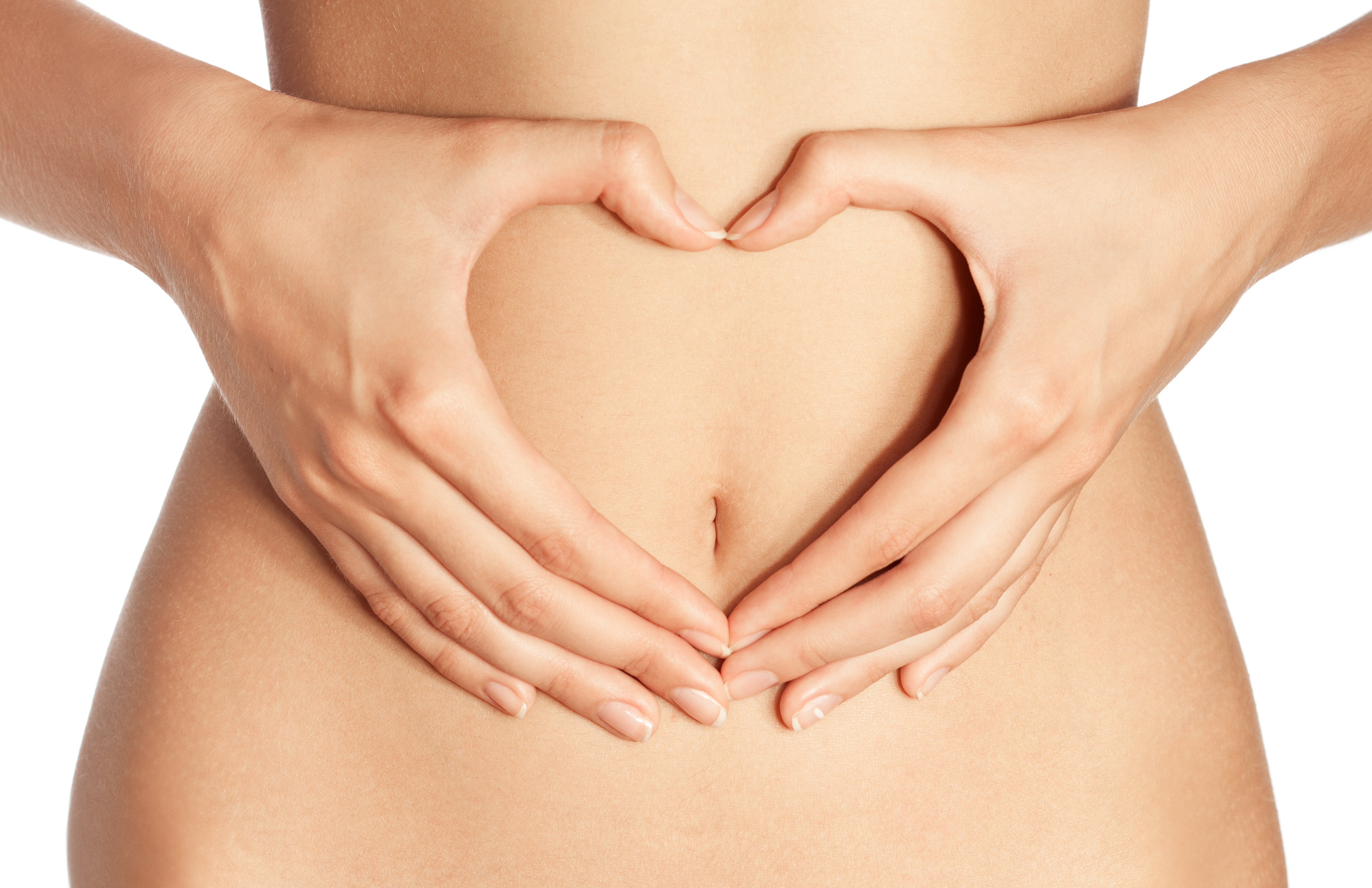
During this vacation to Turkey, my eyes and stomach rejoiced in the lovely breakfast they laid out at several of the hotels we stayed in.  They were simple and yummy, but nutritious.  Below is a list of new options that I found for breakfast.

Boiled Eggs (easy to take to work with you)
Olives
Figs
Walnuts
Almonds
Apples
Oranges (an all season fruit)
Sausages
Cheese (goat and feta for me)
Hummus
Potatoes
Yogurt
Tomatoes
Raw veggies
Greens
Spices
Spinach
Salmon
Beans
Snap Peas

These are all foods we are familiar with, so if you have a collection in your fridge, you can mix and match to create a healthy breakfast.  Shop at the farmer’s market whenever you get a chance to get fresh produce.  I purchased one of the multi-section containers to hold my food and it works really well.  Good luck with mixing up your breakfast options.  I’m sure I left out plenty of great choices that can be added to this list.  Feel free to get creative and enjoy the most important meal of the day!

Namaste
Daniel

  • Facebook
  • Twitter
  • LinkedIn
  • email

High-Stress Times or Growth Shifts?

  • Facebook
  • Twitter
  • LinkedIn
  • email

I’ve trained when I’m under the weather, exhausted, even with a broken arm before, but it wasn’t as challenging as my recent week of training was. The reason it was so challenging was because there were a multitude of stresses on my system. They added up over a week’s time:
1) My spine was incorrectly adjusted while on vacation in Turkey, and I ended up feeling like slow moving reptile.
2) The Nimble studio had a massive flood the day after I got back from vacation
3) I felt ill from the fumes of our studio demolition.

No, I’m not trying to complain (although if you trained with me during this week, you probably noticed my struggle) or looking for pity, just articulating some circumstances that eventually affect all of us in life.  Getting to the point–when stresses rise in your life, that is the time to be even more diligent with your healthy habits. Getting more rest, drinking more quality water, eating a healthy organic diet, limiting your alcohol/caffiene intake, and staying in touch with friends and loved ones. Many of us have been programmed to do the opposite; when stress goes up its a green light to drink more, use coffee to stay with the pace, eat less healthy or not at all. All of these habits add to your stress, which can become a kind of “comfort zone” to deal with life’s challenges. We now understand that feeling uncomfortable–getting out of old habits–is often associated with what I see as shifts in growth. Life happens, and you have to be prepared to handle stress at a high level, so it doesn’t take you out of your health zone. Staying healthy under stress also allows you to keep a clear head so that you can make accurate decisions on how to navigate.

If you don’t back yourself up with healthy habits, stressors can grow into much bigger problems, like disease. Make it your intention to live healthier, even as stress at home, work or life goes up, understanding that sometimes these stresses we face are there to facilitate a deeper shift of consciousness and self-awareness. This shift in intention will keep you lighter, healthier, happier and more energetic in the long run. Often life’s challenges are tests of your will and ability to be present and loving during such challenging times. Let right now be the moment you handle stress with love of self.
START TODAY!

  • Facebook
  • Twitter
  • LinkedIn
  • email

Wordology

  • Facebook
  • Twitter
  • LinkedIn
  • email

Words have power! At Nimble Fitness we share with our clients the idea of Wordology. The non-conscious often does not know the difference between what you truly want and the words and ideas you are just playing around with. All of your thoughts get filed in the oneness of the non-conscious, so we ask clients to choose words that align with their life vision. Why not? Through what we have learned in our past, we often create habits or conditions that we live by that no longer serve us. These words we say over and over carry major energy and shape our perception. For example, I had a client that often stated “Every time I walk into the gym, I believe I’m moving forward in my journey to health,” and another that would often discount the work he did if it was not of a certain duration or intensity. He would often state that he could never do enough. Which client do you think progressed faster in his program? The point I would like to make is this: Are you setting yourself up for failure or success? Make the promise to yourself to use words that support you in success and believe it! Why not? Namaste

  • Facebook
  • Twitter
  • LinkedIn
  • email

Top 5 tips to loosen those traps!

  • Facebook
  • Twitter
  • LinkedIn
  • email

by Daniel Lucas

Do you feel like your trapezius muscles will just not loosen up for you, no matter how many massages you get and stretches you try? The trapezius is a large, diamond-shaped muscle, located in your upper back, neck and shoulders. Its job is to both stabilize your shoulder girdle, neck and upper back and provide power for pulling and lifting motions. It’s probably needless to say, but this muscle does a lot of work for us and tends to accept a lot of stress.

Here are some tips from Nimble Fitness to help keep those traps feeling good:

1. Breath! Your breath is your ticket to de-stressing and releasing tight muscles, especially the trapezius. Here’s a simple breathing exercise: Sit up tall with two rolled towels tucked between your elbows and your ribs. Begin taking belly breaths that fill your entire stomach, ribs, and chest with oxygen. With every exhale, consciously relax your arms and traps, a little bit more each time. Imagery is great at helping the body to let go of stress, so visualize a warm waterfall running down the back of your neck and shoulders. Ahh, that feels nice!

2. Become more aware of your posture. Your posture is directly related to how you sit, walk, eat, think and move. Start to become conscious of faulty repetitive patterns in your workday, like slouching at the desk, hanging on the front of your hips while standing, or pinching your shoulders together while walking. Posture is a biggie, and we can’t cover everything that goes into creating better posture in this article, so I will give you one important thing to think about: head position. If you feel your head falling forward, or if you feel you have to “work” to keep your head up, you are definitely putting stress on your traps. Be tall through your torso and spine, and let your head float on top of your shoulders.

3. Leave your big bags at home! Loading your body down with bags tells the body to add more support to the muscles under stress. The body, being as intelligent as it is, reacts to the stress by adding collagen to muscles, making them firmer and more strap-like. The problem when muscles get stuck in these positions is that we get mis-aligned and often feel pain and stress as a result. Remember, everything is connected in our bodies, so our organs can be affected by this stress as well. I say leave the bag at home! Yes, this means the backpack too. Make duplicates of whatever you’re carrying, or transport your work digitally. It will free your traps and your soul as well.

4. Lengthen your abdominal muscles and pecs. Often where we feel pain is not the actual source of the pain. Lengthening your quadriceps, abdominal and pectoral muscles will give space to the front of your body. This will loosen the “tug” from these muscles on the muscles of the back, especially the trapezius.

5. Strengthen your core. And honestly, the rest of your body! Building strength in your torso will assist with having better posture and functional stability, whether you’re moving, standing or sitting. Torso support will keep your head on top of your body, which will take stress off of your trapezius. Train your postural muscles and move with poise!

  • Facebook
  • Twitter
  • LinkedIn
  • email

Cross Train to Help Prevent Running Injuries!

  • Facebook
  • Twitter
  • LinkedIn
  • email

by Daniel Lucas

Why are physical therapists seeing fewer tri-athletes with injuries in their office than runners? The answer, in a word, is cross training. The most common mistake we see with runners’ programs is that they do not change them up enough. This creates a scenario for injury. The secret to longevity in sport is to consistently change the stresses on your body so that it strengthens, heals and recovers.

Take this opportunity to look at your current training program and assess if you have been making the needed changes to progress effectively. Incorporating a focused strength, conditioning and flexibility program will add some spice to your running and keep you in the game for a very long time.

Here are 5 reasons cross-training is an essential part of your running/training program:

1) Cross-training creates better muscular balance in every part of your body.
2) Different stresses on the body create different stresses around the joints, which actually helps build longevity in your muscles and connective tissue.
3) Multi-planar training strengthens tissue in a more effective way, creating a greater opportunity for the body to load and un-load more efficiently while running.
4) Strength training helps the “assisting” muscles, i.e. the deeper postural muscles, to stabilize better while running.
5) “Rotating your tires” saves wear and tear. Variety in movement helps muscles and connective tissue stay pliable and strong.

Have a wonderful run today!

  • Facebook
  • Twitter
  • LinkedIn
  • email

Exercise Your Emotions

  • Facebook
  • Twitter
  • LinkedIn
  • email

By Daniel Lucas .

Have you ever had the sense that your old ideas and beliefs are not working for you? Do you feel like you need to let go of the energy that surrounds those old habits? You can start with your awareness—just being able to identify old ways or habits is freeing in itself. That self-awareness can help loosen the bond, especially if you’re able to trace your habits to their origin. Tracing these feelings back to their moment of purpose, and recognizing that the emotions you experienced there don’t define you, can be extremely liberating.

The big question is this: how do we let go? It can be compared to pulling a weed from a garden—if you don’t get the root, you know that weed will live and grow. If you do get to the root of old patterns in your life, you’ll create space that allows you to develop new intentions and beliefs that will empower you.

Here are some tips to consider when digging into to your old patterns and beliefs:

1. Awareness of your emotions, and how they align with your circumstances, helps a great deal. Is your emotion in a certain situation genuine and appropriate to what’s happening? If you’re over-emotional (or under-emotional), this is a sign that there might be a root belief that’s not serving you any longer. It might be time to go back and weed your garden a bit more.

2. Seeking to understand why you feel the way you do will help to know whether you’re acting in the present moment, or re-acting from an old blueprint.

3. Work on your ability to shift into the present moment and see the truth of each experience as it is. This is what we call consciousness!

4. Exercise! Researchers have found that there is a section of the brain that responds only to exercise. Moving your body will tap into your mind/body connection and assist you with letting go of old baggage. Recent research also indicates that the way we hold ourselves posturally is closely related to our moods and to our personalities. In other words, the way we move, or don’t move, is linked to the way we feel. Your body tomorrow reflects what you’re doing today.

5. Keep at it! You may not pull the whole weed at first, but being brave enough to look at your truth will eventually help you grow. Be your own best friend on this journey and allow your natural state of JOY to shine through.

Namaste

Daniel

  • Facebook
  • Twitter
  • LinkedIn
  • email

Creating Mind/Body Space

December 9, 2010 by  
Filed under Daniel Lucas, Nimble Blog, Nimble Team

  • Facebook
  • Twitter
  • LinkedIn
  • email


After working intimately with clients for over 15 years, one thing that’s become evident is that old emotions and beliefs take up space in our physical being. Negative or “stuck” energy in our bodies can become stagnant, resulting in lowered creative energy, limited self-awareness and an inability to be truly conscious. Start this New Year by asking yourself this: Is there anything you say to yourself that’s limiting or negative, that needs a shift? Is there is a habit or judgment handed down from a family member or friend that you have been carrying around for a long time? Maybe there’s a judgment or belief you hold which is taking up space, space that could be used for personal growth instead. Remember, today–and everyday–is your opportunity to LET GO of old, negative energies and create new space inside yourself!

Happy New Year & Namaste!

Daniel

  • Facebook
  • Twitter
  • LinkedIn
  • email

If you’re going to do it, love it!

December 2, 2010 by  
Filed under Daniel Lucas, Nimble Blog, Nimble Team

  • Facebook
  • Twitter
  • LinkedIn
  • email

Sometimes I hear new clients tell me they’re going to stop doing something they love. For example, I’ll hear “I’m never going to eat pasta again,” or “That’s the last desert I’ll ever have,” or even “No more wine for a year!” So often, the problem is not necessarily doing things that make us unhealthier or heavier, but ingesting things we love too much. This can shift our feelings when doing things to self-disappointment, shame or just being annoyed with oneself.

Ask yourself this: Am I acting in a way that I love what I do, the result of what I do, and myself? If the answer is no, maybe a shift is in order–maybe you eat pasta once a week, save the dessert for special occasions and the wine is cut down to a level that aligns with a feeling of genuine joy. The secret is to truly enjoy the wonderful pleasures of life; if we overdo it, we cross over into feelings of attachment or even addiction, which can affect one’s health. Change your perception, from denial to true enjoyment, and everything you partake in changes as well. If you’re going to do it, you might as well LOVE doing it!

  • Facebook
  • Twitter
  • LinkedIn
  • email

FIVE WAYS TO STAY YOUNG

  • Facebook
  • Twitter
  • LinkedIn
  • email

by Daniel Lucas

1. You are what you eat! Our food choices are some of the most important choices we make. Choosing quality food is vital to maintaining muscle tone, organs, your digestive system and overall body function. Whole, organic, nutrient-rich foods act as high-octane fuel for your body. Processed foods are calorie-rich and nutrient-poor—your digestive system will waste energy on trying to break down calories that it doesn’t recognize as food. Keep your digestive system young and running lean and clean.

2. Use it or lose it—but use it correctly! Modern life has all kinds of challenges. One of our biggest challenges is repetitive movement, whether it’s at a keyboard or on a treadmill. Be aware of how repetitive movement can overtax some muscle groups, making them tight and sore, while leaving other muscles underused and weak, eventually leading to misalignment. Add some variety to your movement and take breaks from repetitive movements to keep your muscles balanced. Too much repetitive motion in one direction results in stress and inflammation to the muscle tissue and joints. Speaking of stress…

3. Don’t hold on to stress—it’s unrelieved stress that makes us old. Very few people in this day and age can claim to have a stress-free life. It’s how we deal, or don’t deal, with stress that can either keep us young or take us out of balance. Not all stress is bad. When we ask our muscles to work, for example, we’re putting stress on the muscle tissue, tendons and ligaments to make them stronger. But we wouldn’t ask them to work 24/7! If you’re in the habit of internalizing stress and carrying it around, you’re making your system work overtime and decreasing your natural function. Develop the habit of reducing stress on a daily basis—exercising, taking breaks, moving your breath out of your shoulders and into your rib cage, drinking plenty of water—so you can be free of carrying stress around.

4. Play young! Go and do things that connect you to truly feeling young. Sometimes we all have to reach back to go forward. What activities make you feel young? Dancing, hiking, playing volleyball, riding a bicycle…all of these are responses our clients have given to this question. Ask yourself! And really try to embody that feeling of being young in your life each day.

5. Let go! Being young is being resilient. Consciously let go of the stressors in your life that you can’t control; let go of the negative language that accompanies those stressors and inhibits your abilities (“I’m too old for that”, “I’ll never get rid of my stress” etc). Let go of the illusion that you can’t feel young!

  • Facebook
  • Twitter
  • LinkedIn
  • email

CREATING SPACE

  • Facebook
  • Twitter
  • LinkedIn
  • email

I knew at some level that it was important to take my recent trip to Spain alone. I just didn’t know why. By the end of the first day in Ibiza, it had become obvious-there were old emotions about my father’s death that came right to the surface, and I had not yet had the opportunity to release them. I was still grieving emotionally and spiritually, even after all this time. The act of creating space for myself allowed this vital process to happen, along with giving me the space to feel immense appreciation for every friend, client, family member and living creature on the planet.

I understand that we all have many important people and obligations in our lives, but ask yourself this question: what can you do now to create space for yourself? Maybe you won’t have time for a trip to Ibiza, but take a long walk in the park, sit quietly on a bench or just take extra time to enjoy your meal. These small windows of time can give us an opportunity to let go of emotions or ideas that may be clouding our consciousness.

Namaste,
Daniel

  • Facebook
  • Twitter
  • LinkedIn
  • email

GET YOUR BODY ORGANIZED

  • Facebook
  • Twitter
  • LinkedIn
  • email

daniel-tribeca-headshot-70x70by Daniel Lucas

If you’re someone that runs, bikes, lifts weights, plays in a league, does any kind of consistent training, and lets not forget the non-sport of sitting at your desk you should think about having days in your exercise program dedicated to getting or keeping your body organized.  Whether it’s the repetitive nature of different sports or the destructive effect of sitting for prolonged periods of time, committing a little time to your structural alignment will pay major dividends.

What does it mean to have an organized body?

It’s when the structure of your bones, muscle, neuro-fascial tissue and organs are functioning in a balanced, energetic way. You feel strong and flexible, have natural poise and your movements feel light, not heavy or sluggish. It’s when your body and mind are functioning together at a high level—where you can run, jump, squat, lunge, push, pull, lift or twist with strength, power and flexibility through a full range of motion, without disruption or injury.  This organized scenario creates an optimal environment for joint health, organ health, muscular development and emotional flow/release.  So how do we get there?

Here are some Nimble tips for getting organized:

1.    Give yourself permission to have deeper body awareness! This takes a little bit
of courage, but bringing your awareness inside your body, to feel how your body is moving and holding itself together, is extremely valuable.  Assess yourself–no one knows how your body feels as well as you do! Identify where you’re tight, where you’re weak, where you’re strong, and then get to work. Use your “organization day” to focus on strengthening weaker muscles, opening up tight muscle tissue, and addressing imbalances in your system.

2.   Ask yourself this question: Is my exercise routine helping me with my posture or training me out of good posture?  I’ve watched people training for hours at a time with hunched shoulders, misaligned lower backs and strained necks. I’ve even seen people read a book while walking on the treadmill! Doing this hinders our natural gait and our functional lines across the body, which in this case run from the latissimus on one side to the gluteus on the other. Examine your own training habits—are you enhancing your posture with your exercises, or working into deeper imbalance and strain?

3.    Be open to how integrated and intelligent your body naturally is. Your body was designed to function harmoniously, whether moving or at rest. That harmony is your ultimate goal. To move towards that goal, you can start with isolated movements, but be sure to end in a fully integrated, functional way. For instance, you can train your postural stabilizers (the “core” muscles) first, and progress into the integrated compound movements. A simple example of this progression would be starting with the plank exercise, which engages the core stabilizers, and continuing on to the traditional squat.   Functional training prepares you for lifting your heavy bag of luggage, squatting to pick something up from the floor or simply giving someone a big loving hug.

4.    Identify where you are prone to tightness, and be consistent in stretching/resetting those muscles. We touched on this already, but stretching muscles helps to keep balance and symmetry in your body, and improves neural flow and oxygen delivery to your tissue. Be aware of the imbalances in your system and address those. If the right hamstring is a lot tighter than the left, for example, give it a little bit more time in your stretching. This will not only help you feel better, but help you function better.

5.    Strengthen weaker muscles–the other side of flexibility. Activating weak muscles and strengthening them through a proper exercise progression will also lengthen opposing muscles and assist in proper joint function.

6.    Get some professional eyes on you!  The earlier statement we made that no knows your body better than you do is only partially true.  Working with a trainer/practitioner/coach will help you to understand your strengths, weaknesses and imbalances, and improve your program to achieve more.

A little bit of practice and dedication to these key points will pay major dividends.  Having an organized body is the path to longevity!  It’s your journey, so I encourage you to trust the guru within.

Namaste
Daniel

  • Facebook
  • Twitter
  • LinkedIn
  • email

Next Page »